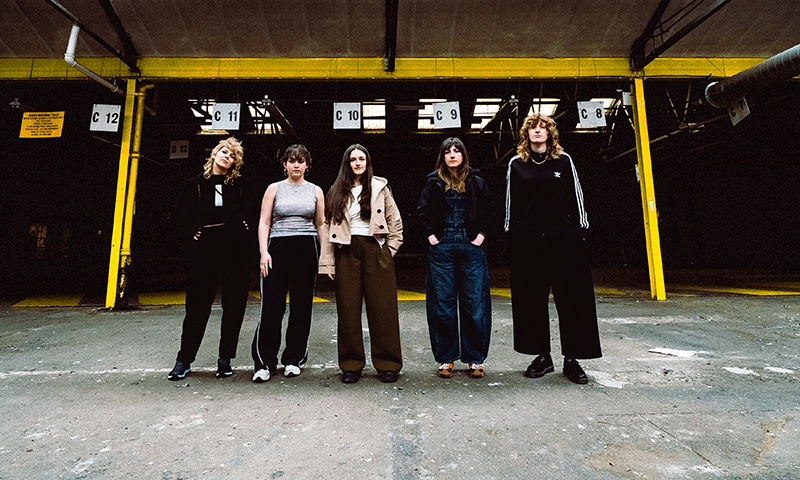
From creating a space where she and like-minded DJs could belong to building one of Edinburgh’s most distinctive techno communities, EPiKA founder Vera has spent the past five years putting music, inclusivity and community at the heart of the club night. In this conversation, she reflects on EPiKA’s beginnings, the importance of femme-led lineups, building trust with a dancefloor, and her vision for the future of the project.
What inspired you to create EPiKA?
The story of EPiKA is really a story of looking for a place where my music and I – as both a DJ and a punter – could belong. When I first thought of EPiKA in 2019, I couldn’t find anywhere that would book me. Partly that was because I didn’t understand how to network and was just a bit clueless, but it was also because there wasn’t really space in Edinburgh for the music I wanted to play, so I didn’t belong anywhere musically. That’s why I thought, okay, I have to create a space where people like me can play. I also missed the club nights I’d experienced when I was younger and still living in Poland – local nights with good techno and not necessarily famous DJs, but a strong community of regulars.
How was the process of first launching EPiKA? What was the hardest part about getting it off the ground?
The launch was a little complicated. Our first night was supposed to happen on the 4th of April 2020, and we decided to cancel when the pandemic started. In Scotland the ban on parties lasted a very long time – clubs only reopened in August 2021, which is when our first ever party actually happened. After more than a year of lockdown everybody was club-starved, so our first year was actually really good. Tickets were easy to sell because everyone wanted to go out. Overall it was quite an unusual way to start!
What was the main inspiration behind your decision to choose only femme DJs?
The topic of affirmative action is complicated, but one thing I had noticed at the time was that in the Edinburgh and Scottish techno scene there were far more male DJs than female DJs, at every level of experience. Being femme presenting – whatever your assigned gender is – is still a disadvantage in the music scene, for many reasons, not all of which are active discrimination. A lot of it comes down to safety: the nighttime industry, and night time in general, is just less safe for femme presenting people. I wanted to create a platform for people like me who struggled to break into the techno scene in Scotland, but I also wanted a space where DJs and punters alike feel safe. Having femme DJs creates safer dance floors – in my experience the whole dancefloor dynamic changes.
How do you typically book artists? Do you reach out to artists to play, or do you let them come to you? Has that changed over the years as EPiKA has grown?
It’s a combination of both. If someone messages me and they’re a perfect fit for the night, I’ll consider them, but I’m also always on the lookout for people I think are good and who match our ethos. What matters most to me is that a DJ’s sound fits with my past curation – over time our punters have grown to trust us with that curation, and I cherish that trust.
How do you approach promoting EPiKA events? What are your best tips for reaching the right people?
To reach the right people, you have to play the right music for them – that’s really it. People who are passionate about this music will find you, as long as you’re consistent. Have your own sound, your own unique selling point. For EPiKA, that’s the type of techno we play, but it’s also the vibe: we’re a very music-focused night, and people come for the music. That creates a unique dancefloor – we’re all there for the same reason, and you can feel it.
What does the job of managing EPiKA usually look like on a daily basis? The tasks and responsibilities that people may not realise go into running a club night.
I speak to a large number of people – new punters, regulars, people inquiring about collaborations, journalists, residents, producers, everyone involved in organising the nights, venues, festivals, potential future guests. So, a large part of my time goes into just talking to people. The rest goes into making sure the whole operation runs smoothly, because club nights, workshops and social media all need admin. Most of the actual tasks are incredibly unglamorous – someone has to add invoices to our bookkeeping software and read every comment under our posts – but they take up most of my time.
Where would you like to take EPiKA in the future? How would you like to see it grow?
I do want EPiKA to grow bigger than it is now, so we can reach full financial sustainability, which we don’t have yet. I’d like us to be more involved with festivals – stage takeovers, for example – and better known outside Edinburgh. In Edinburgh itself, though, I wouldn’t want us to be much bigger. I want to stay at the Bongo Club, which is the best venue in the city in my view, and I want us to remain intimate. Even though the Bongo is a big venue – capacity over four hundred – there’s a strong intimate feeling to it, because most of our regulars actually know each other. I wouldn’t want that to change: I want our community to remain a community.